
When the stickman calls the next come-out roll, most eyes drift toward the pass line, but there is a quieter position sitting on the opposite side of the table. The craps dont pass lay bet is essentially betting with the house edge on your side during the come-out, waiting for the seven to wipe the board before your point gets made. It is not the loudest spot at the table, and it certainly is not the one that draws the biggest cheers, but for players who understand the maths behind the dice, it offers a different kind of patience. We sat down with a producer who has spent years balancing table margins and loyalty curves to talk through what this wager actually looks like when you take it seriously.
The Maths Behind the Lay

The core mechanic is straightforward enough to explain over a coffee, but the numbers underneath it deserve a proper look before you push chips forward. When you lay the dont pass, you are effectively acting as the casino against the shooter, collecting a win when a seven lands on the come-out while the pass line loses. The catch is that you are laying odds on a number that has to be rolled before the seven, which means the payout is always less than your stake because the probability favours the seven over any single point number. A standard five-dollar lay on the four or ten pays two dollars, and that asymmetry is where the edge lives.
From a game math perspective, the dont pass line carries a house edge of around 1.36 percent, which is tighter than many table wagers but still not zero. The real advantage comes when you take down the lay after the point is established, because the come-out roll is the only window where the bet is actively working against the shooter. Once the point is set, the dont sweetbonanzaau.net pass bar sits idle until the next come-out, so timing matters just as much as the stake. I have seen operators structure their table limits so that lay amounts scale in clean increments, which keeps the payout maths tidy and avoids the rounding headaches that can frustrate regulars.
What I often tell producers when we are modelling table flow is that the lay bet rewards players who are comfortable waiting rather than chasing. You are not buying a spin or a reel stop, you are sitting on a probability window that opens and closes with every dice throw. The discipline required is closer to bankroll management on a slow-burn pokie than it is to a rapid-fire bonus round, and that distinction matters when you are deciding how much to commit per session.
This means your edge comes from recognizing when the window is genuinely open rather than forcing action during cold streaks. Many players overlook how this same probabilistic discipline applies across different digital tables, which is why I always recommend studying independent breakdowns like the one at VegasHeros Casino review before committing real funds. Once you stop treating each throw as an isolated event and start tracking the broader distribution, you will finally see why patience consistently outperforms impulse.
This approach requires a steady nerve, as the table dynamics shift constantly. To see how this philosophy applies in live scenarios, you can review the breakdowns at https://richardcasino-play.net/. It is this discipline that separates consistent outcomes from impulsive gambling.
How the Game Catalog Shapes the Experience
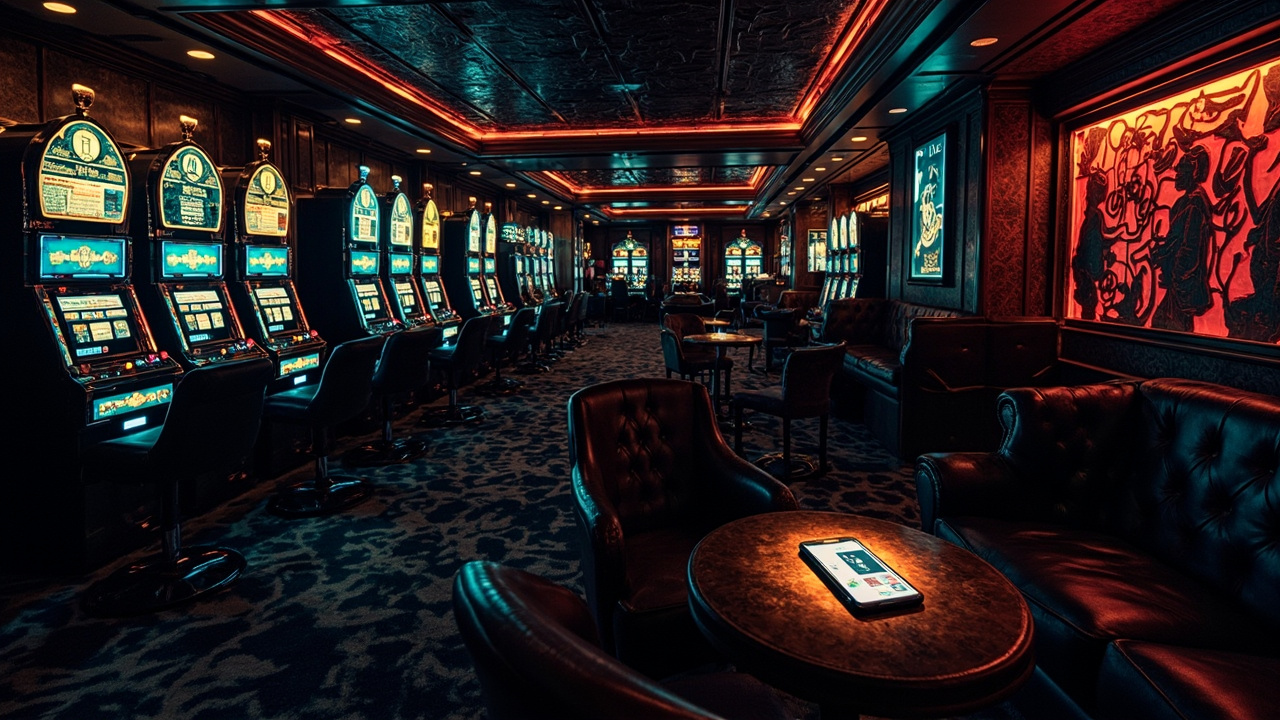
The way a casino organises its lobby and table content changes how easily you can find and settle into a dont pass position. A well-structured lobby separates live table content from digital pokie rows, and that separation is not just cosmetic because it affects how quickly you can move between game types without losing your session rhythm. When the table section is buried under a wall of slot thumbnails, the friction adds up, and players who want to switch from a lay bet to a quick pokies session end up clicking through three or four menus before they land where they meant to go.
Search and discovery tools matter here because a craps dont pass lay bet is not something you stumble into by accident. You need a lobby that lets you filter by table type, stake range, and game speed, so you can find a live dealer table or a digital craps wheel that matches your preferred pace. The game mix should include a reasonable spread of table content alongside the slots, because a lobby that leans too heavily into pokies leaves table players scrolling through irrelevant rows. I have reviewed lobbies where the table section was an afterthought, and that kind of organisation tells you a lot about how the operator thinks about non-slot traffic.
Payment flexibility also shapes the experience, especially for players who want to load larger sums quickly into pokies between table sessions. Note acceptors let players load large sums quickly into pokies, which is useful when you are moving between a table lay and a slot session without waiting on a cashier queue. The same convenience should extend to table stakes, where clean chip denominations and straightforward buy-in steps keep the game moving without awkward rounding or change-making delays. Mobile play should mirror that same flow, with a lobby layout that does not cram table options into a narrow column just because the screen is smaller.
Finding the Right Fit at the Table
Not every player is going to feel comfortable sitting on the dont pass bar, and that is fine because the wager suits a specific kind of session rather than every night at the table. Players who prefer a slower rhythm, who are happy to let the dice run their course without pressing every roll, tend to get the most out of the lay position. It is a bet for people who can walk away from a losing come-out without chasing, and who understand that the edge is small enough to matter over time but not large enough to turn a short session into a guaranteed outcome.
The conditions that make this bet work are mostly about limits and pacing. You want a table where the lay increments line up with your bankroll, where the dealer can handle the buy-in without dragging the game, and where the lobby does not force you to hunt for the table section every time you log in. Players who like fast action, who want a bet that pays out on every roll, or who are looking for a big swing from a small stake will probably find the dont pass bar too quiet. That is not a flaw in the wager, it is just a mismatch between the bet’s structure and the player’s preferred tempo.
If you are weighing whether this position fits your session, it helps to think about three practical points before you push chips forward:
- Check that the table limits allow lay amounts that match your usual stake range, so you are not forced to overcommit or underplay.
- Confirm the lobby separates table content from slots clearly, so you can move between a lay bet and a pokies session without losing time to menu hunting.
- Make sure the game speed and dealer flow suit a slower bet, because a dont pass lay works best when you are comfortable waiting through come-out rolls rather than pressing every throw.
For players in Hobart who are used to a quieter pace at the local clubs, the lay bet can feel familiar because it rewards patience over noise. You are not trying to outrun the table, you are reading the rhythm and letting the probability window do the work. That mindset translates well to online play too, where the lobby and table flow should support a session that moves at your speed rather than forcing you to keep up with a busier section of the casino floor.
The craps dont pass lay bet is not the loudest wager on the felt, and it is not the one that turns a short session into a quick score, but it does offer a clean edge window for players who understand the come-out roll and are comfortable waiting. When the lobby, table limits, and game speed line up, the lay position becomes a practical way to play the maths rather than fight it. It suits a patient session, not a rushed one, and that distinction is what separates a bet you can live with from one you end up regretting by the arvo.